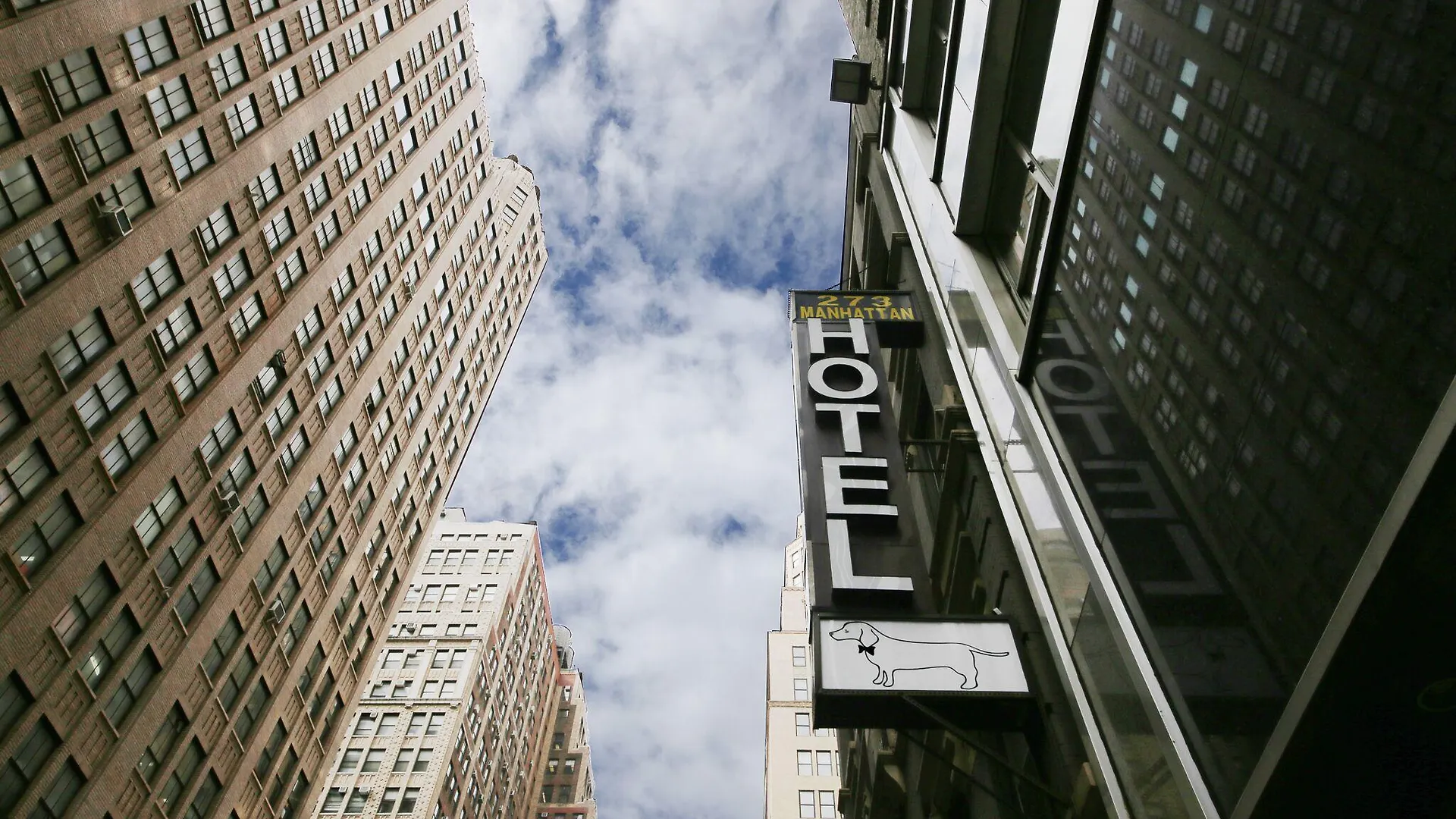
Manhattan's 2-star hotel market offers a practical foothold in one of the world's most expensive lodging destinations. These four properties span key neighborhoods - Midtown, Chinatown, and the Meatpacking District - giving budget-conscious travelers genuine access to central New York without committing to premium rates. This guide cuts through the noise to help you decide which property fits your itinerary, transit needs, and travel style.
What It's Like Staying in Manhattan
Staying in Manhattan means proximity is your biggest asset - and your biggest cost driver. Most major attractions, transit hubs, and dining corridors are reachable on foot or within a single subway ride, which significantly reduces daily transportation spend. However, the street-level reality is dense: sidewalks are crowded by 8am, traffic noise is constant on avenues, and hotel lobbies in budget properties tend to be compact and high-turnover.
Midtown and Lower Manhattan operate at different rhythms - Midtown pulses around the clock, while Chinatown quiets noticeably after 9pm. Travelers who prioritize transit access and walkability to landmarks get the most out of a Manhattan base. Those seeking quiet surroundings or large room footprints will find the borough consistently challenging at this price tier, with rooms averaging around 20 square meters in 2-star properties.
Pros:
- Subway access to all five boroughs from most Manhattan blocks
- Walking distance to major landmarks eliminates the need for taxis or rideshares
- Around 90% of restaurants, museums, and theaters in NYC are concentrated in Manhattan
Cons:
- Street and HVAC noise is a near-constant reality in budget Manhattan hotels
- Room sizes at 2-star properties are noticeably smaller than equivalent-priced hotels in outer boroughs
- Weekend foot traffic in Midtown and the Meatpacking District makes simple errands time-consuming
Why Choose 2-Star Hotels in Manhattan
Two-star hotels in Manhattan occupy a very specific role: they trade space and amenities for location. In a borough where a standard hotel room regularly exceeds $250 per night, 2-star properties deliver a workable base at a meaningfully lower price point - typically around 40% less than 3-star competitors in the same neighborhoods. The trade-off is real: expect smaller rooms, minimal lobby space, and limited in-house dining.
What this category does well in Manhattan is transit positioning. Most 2-star hotels here are placed near major subway lines or bus terminals by design, compensating for the lack of on-site amenities with external accessibility. Travelers on multi-city itineraries or those spending most of their time outside the room gain the most value from this tier. Couples or solo travelers on 3-night stays tend to tolerate the size constraints better than families or longer-stay guests.
Pros:
- Significantly lower nightly rates compared to 3-star and 4-star Manhattan hotels
- Strategic placement near transit hubs minimizes commute time to attractions
- Most properties include free WiFi and 24-hour front desk without added fees
Cons:
- Room sizes average around 18 square meters - noticeably tight for two travelers with luggage
- On-site amenities like gyms, restaurants, and concierge services are largely absent
- Noise insulation between floors and street-facing rooms is frequently a guest complaint in this category
Practical Booking & Area Strategy
In Manhattan, your hotel's street positioning determines your daily experience more than its star rating. Properties on or within one block of 8th Avenue in Midtown offer immediate access to the A, C, and E subway lines, connecting you to JFK, Lower Manhattan, and Upper West Side without transfers. Hotels near Canal Street place you within walking distance of the Financial District and Brooklyn Bridge, while the Meatpacking District cluster along Washington Street puts you close to the High Line and Whitney Museum.
Book at least 6 weeks in advance for stays between June and September or over major event weekends - New York Marathon, Fashion Week, and New Year's Eve routinely drive 2-star inventory to near-zero availability. For winter travel (January through early March), last-minute rates can drop significantly, making it the only window where flexible booking genuinely pays off. Avoid rooms on lower floors facing avenues if noise is a concern - upper floors on side streets are consistently quieter across all Manhattan budget properties.
Key things to do near these hotels include visiting Times Square (a 12-minute walk from Penn Station-area properties), the High Line elevated park accessible from the Meatpacking District, and the 9/11 Memorial reachable from Chinatown in under 20 minutes on foot.
Best Value Stays
These three properties offer the strongest balance of location and price in Manhattan's 2-star tier, each anchored near major transit corridors or landmark-dense neighborhoods.
-
1. Doxie Hotel
Show on map


 Check-infrom 15:00 until 23:59Check-outuntil 12:00
Just a few rooms left at the best rate!
fromUS$ 159
-
2. Canal Loft Hotel
Show on map


 Check-infrom 15:00 until 23:59Check-outuntil 11:00
Just a few rooms left at the best rate!
fromUS$ 79
-
3. Americana Inn
Show on map


 Check-infrom 16:00 until 23:00Check-outfrom 05:00 until 11:00
Hurry – almost gone at this price!
fromUS$ 218
Best Premium Option
The Jane Hotel commands a higher position within the 2-star tier through its distinctive design identity and Meatpacking District address - one of Manhattan's most sought-after micro-locations.
-
4. West Village Eurohostel
4.01650 reviewsShow on map


 Check-infrom 15:00 until 23:59Check-outuntil 10:00
Rooms filling fast – secure the best rate!
fromUS$ 74
Smart Travel & Timing Advice
Manhattan's 2-star hotels are most affordable between January and early March, when post-holiday demand collapses and occupancy rates drop across all budget properties. This is the single most reliable window for last-minute bookings with viable room availability. By contrast, June through August drives the highest nightly rates of the year - summer tourism combined with conference season in Midtown pushes 2-star inventory to sell out weeks in advance.
A 3-night minimum stay is generally the sweet spot for Manhattan budget hotels - long enough to cover Midtown, Lower Manhattan, and one outer borough day trip, but short enough to avoid the compounding discomfort of small room sizes over extended stays. For stays timed around major NYC events - the New York Marathon in November, Fashion Week in February and September, or the Tribeca Film Festival in June - book at least 8 weeks out regardless of hotel tier. Shoulder season in April-May and October-November offers the best balance of moderate pricing and comfortable weather for walking between neighborhoods.