
Finding a hotel in the Midwest that consistently delivers on comfort - clean rooms, solid amenities, reliable sleep quality - is more nuanced than simply picking a well-known brand. The region spans multiple states with very different travel rhythms, from urban hubs like Kansas City and Milwaukee to quieter destinations like Clarinda, Iowa, or Eagle River, Wisconsin. This guide cuts through the noise and focuses exclusively on Midwest hotels rated highly for comfort, helping you compare real options across Illinois, Ohio, Wisconsin, Iowa, Kansas, Kentucky, Missouri, and beyond.
What It's Like Staying in the Midwest
The Midwest is a sprawling region where driving is the default mode of transport - most destinations are not walkable from a central hub, and public transit is limited outside of Chicago and Kansas City. Hotel positioning relative to highways and airports matters more here than in denser coastal cities. Crowds are generally manageable year-round, with spikes around college football season, state fairs, and summer lake tourism in states like Wisconsin and Minnesota. Travelers who prioritize space, parking, and quieter surroundings benefit most from Midwest stays, while those expecting walkable urban neighborhoods and nightlife density may find many locations underwhelming. Free parking is standard at around 90% of Midwest hotels, which makes road-tripping a genuinely cost-efficient way to explore the region.
Pros:
- Free on-site parking is widely available, making road trips and car rentals practical and cost-efficient
- Hotel rates are significantly lower than coastal equivalents, with more space and amenities per dollar spent
- Crowd levels at most Midwest destinations remain moderate, meaning shorter queues and easier access to attractions
Cons:
- Car dependency is near-total in most Midwest towns - arriving without a vehicle severely limits mobility
- Dining and entertainment options near hotels outside major cities can be sparse after 9 PM
- Weather extremes - from harsh winters in Wisconsin and Iowa to humid summers in Missouri - can significantly impact travel comfort
Why Choose Comfort-Rated Hotels in the Midwest
Comfort-rated hotels in the Midwest typically stand out not through luxury extras but through consistent execution: functioning HVAC, quality bedding, hot breakfast, and reliable Wi-Fi. In smaller Midwest towns, a 2-star comfort-rated property often outperforms 3-star hotels in larger cities simply because demand is lower and staff-to-guest ratios are better. Pricing across this category runs lean - most options in this guide fall below the national average for branded hotels - making comfort ratings an especially strong signal of value here. Room sizes tend to be generous compared to coastal equivalents, and suite-style layouts with mini-fridges and coffee machines are common even at entry price points. The trade-off is location: many comfort-rated Midwest hotels sit near highway exits or business corridors rather than historic downtowns, which suits road trippers and business travelers more than leisure-first visitors.
Pros:
- Rooms are consistently larger than coastal equivalents at comparable price points, with suite options widely available
- Hot breakfast is included at many properties, eliminating the daily cost and logistics of finding a morning meal
- Indoor pools and fitness centers are common even at 2-star comfort-rated properties in the Midwest
Cons:
- Many hotels are positioned near highway interchanges rather than town centers, requiring a car for most activities
- Exterior-corridor or older-build properties occasionally show wear, even when comfort scores are high
- Weekend rates near college towns or event venues can spike sharply, especially during football season
Practical Booking & Area Strategy for the Midwest
When planning a Midwest hotel stay, city positioning matters most. In Ohio, properties near Cleveland Hopkins International Airport or in Logan offer proximity to natural attractions like Hocking Hills State Park without downtown pricing. In Wisconsin, the Wisconsin Dells corridor is heavily tourist-oriented, meaning summer availability tightens fast - book at least 6 weeks ahead for July stays. Kansas City and Manhattan, Kansas appeal to travelers combining urban exploration with Big 12 college sports events, where Bill Snyder Family Stadium and Waterfront Park drive demand spikes. For Missouri travelers, Saint Robert sits directly alongside Fort Leonard Wood and suits extended military-adjacent visits. Iowa's Ames and Clarinda are practical stopovers rather than destinations, but they offer strong value for cross-state road trippers. Booking midweek consistently yields lower rates across nearly all Midwest markets, often saving around 20% versus weekend pricing at the same property.
Best Value Comfort Stays
These properties deliver strong comfort ratings at accessible price points, with practical amenities suited for road trippers, families, and business travelers moving through the Midwest.
-
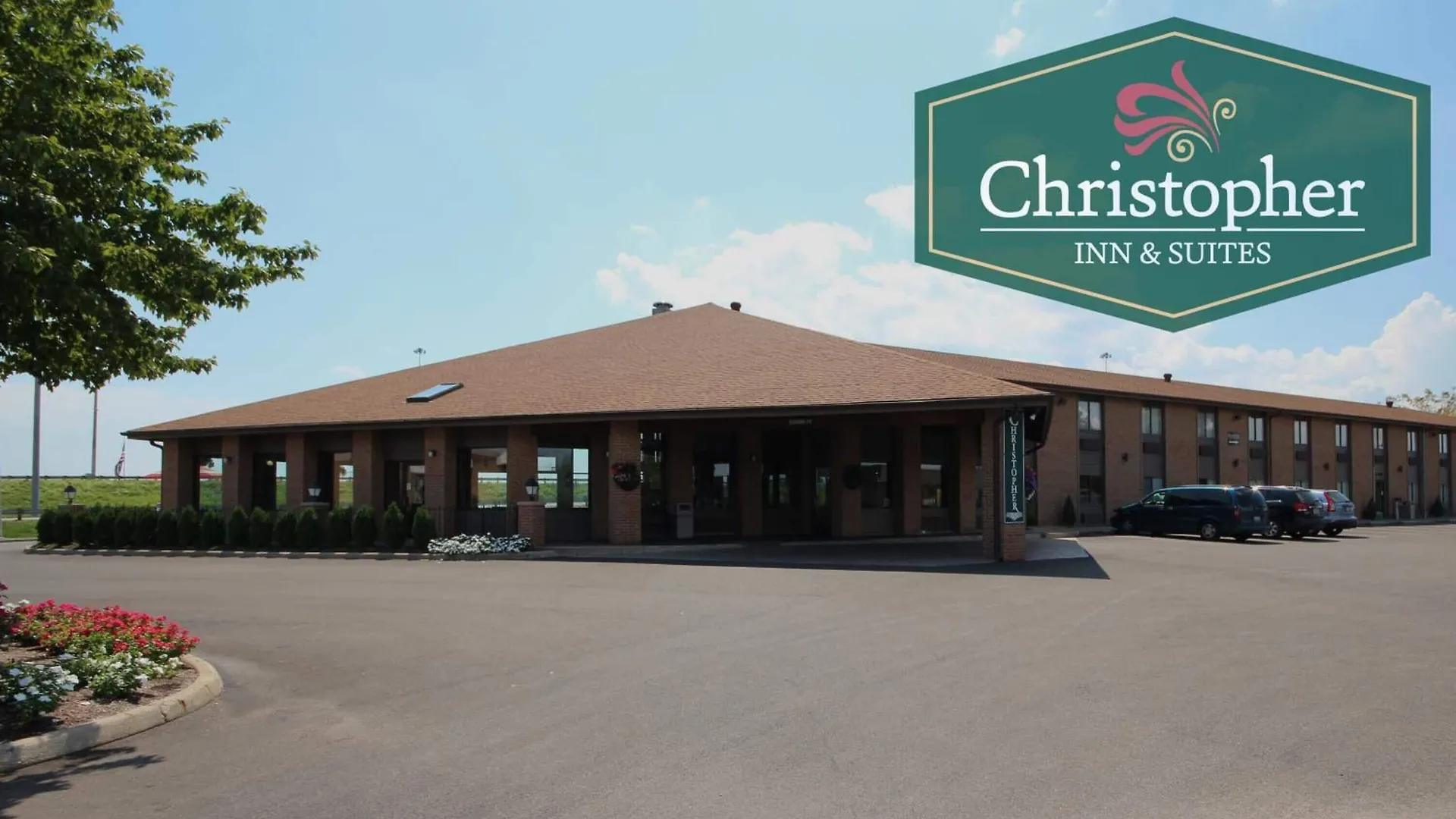
1. Christopher Inn And Suites
Show on map


 Check-infrom 15:00 until 23:59Check-outuntil 11:00
Best price guarantee
fromUS$ 100
-
2. Sleep Inn & Suites Middlesboro
Show on map


 Check-infrom 15:00 until 23:59Check-outfrom 05:00 until 11:00
Best price guarantee
fromUS$ 100
-
3. Cobblestone Inn & Suites -Clarinda
Show on map


 Check-infrom 15:00 until 23:30Check-outuntil 11:00
Best price guarantee
fromUS$ 99
-
4. All Towne Suites
Show on map


 Check-infrom 15:00 until 23:59Check-outuntil 11:00
Just a few rooms left at the best rate!
fromUS$ 84
-
5. Sleep Inn Antigo
Show on map


 Check-infrom 15:00 until 23:59Check-outuntil 11:00
Just a few rooms left at the best rate!
fromUS$ 50
-
6. Cobblestone Hotel & Suites - Paxton
Show on map


 Check-infrom 15:00 until 23:59Check-outuntil 11:00
Just a few rooms left at the best rate!
fromUS$ 110
-
7. Holiday Inn Express Hotel & Suites Defiance By Ihg
Show on map


 Check-infrom 15:00 until 23:59Check-outuntil 11:00
Best price guarantee
fromUS$ 122
Best Mid-Range & Premium Comfort Picks
These Midwest hotels offer upgraded amenities, stronger brand infrastructure, or destination-specific positioning that justifies a higher nightly rate for travelers who prioritize a more complete comfort experience.
-
8. Margaritaville Hotel Kansas City
Show on map


 Check-infrom 16:00 until 23:59Check-outuntil 11:00
Rooms filling fast – secure the best rate!
fromUS$ 313
-
9. The Orbit Hotel, Trademark Collection By Wyndham
Show on map


 Check-infrom 15:00 until 23:59Check-outuntil 12:00
Best price guarantee
fromUS$ 129
-
10. Avid Hotel Wisconsin Dells Lake Delton By Ihg
Show on map


 Check-infrom 16:00 until 23:59Check-outuntil 11:00
Rooms filling fast – secure the best rate!
fromUS$ 114
-
11. Holiday Inn Express & Suites Manhattan By Ihg
Show on map


 Check-infrom 15:00 until 23:59Check-outuntil 12:00
Best price guarantee
fromUS$ 117
-
12. Chanticleer Inn: Hudson House
Show on map


 Check-infrom 16:00 until 23:59Check-outuntil 10:00
Hurry – almost gone at this price!
fromUS$ 263
-
13. Avid Hotels Milwaukee West - Waukesha By Ihg
Show on map


 Check-infrom 15:00 until 23:59Check-outuntil 11:00
Hurry – almost gone at this price!
fromUS$ 120
-
14. Comfort Inn & Suites Ames Near Isu Campus
Show on map


 Check-infrom 15:00 until 23:59Check-outuntil 11:00
Hurry – almost gone at this price!
fromUS$ 136
-
15. Holiday Inn Express Hocking Hills-Logan By Ihg
Show on map


 Check-infrom 15:00 until 23:59Check-outuntil 12:00
Best price guarantee
fromUS$ 100
Smart Travel & Timing Advice for the Midwest
The Midwest has clear seasonal peaks that directly affect both availability and pricing across comfort hotels. Summer (June-August) is the busiest period for Wisconsin Dells, northern Wisconsin lake towns, and Ohio's Hocking Hills - book these destinations at least 6 weeks in advance if traveling on weekends. College football season (September-November) creates sharp demand spikes near Kansas State in Manhattan, Iowa State in Ames, and Ohio universities, often pushing weekend rates up around 35% versus midweek equivalents. For the best pricing across most Midwest markets, target midweek arrivals between mid-January and late March, when both leisure and business demand drop significantly. Early booking (8+ weeks out) in summer and fall yields the most consistent rates, while last-minute deals occasionally appear at highway-adjacent properties in smaller markets like Clarinda, Defiance, and Antigo. A stay of 2-3 nights is the practical sweet spot for most Midwest destinations - enough to explore the local area thoroughly without needing to fill extra days.


